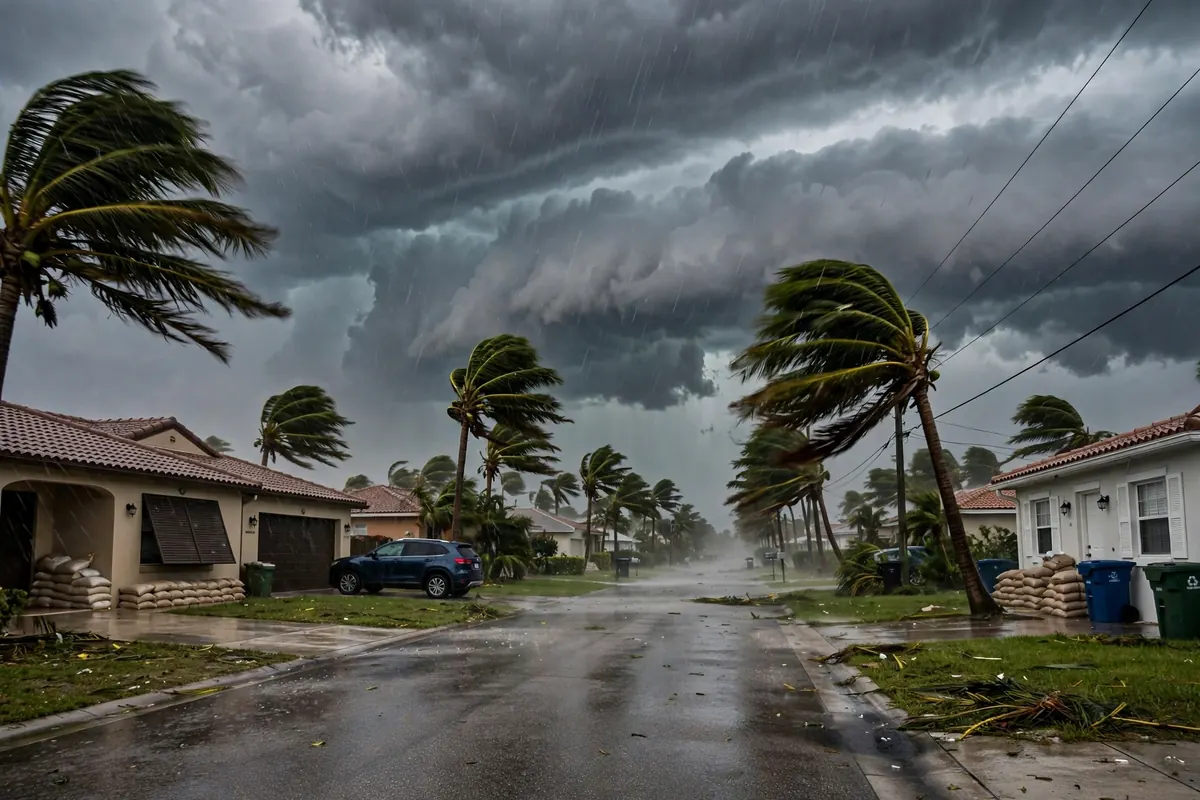
Why Heavy Rain Breaks Sewer Systems That "Work Fine"
Your sewer lateral was sized for your household's wastewater — not for a tropical deluge. But during sustained heavy rain, your lateral carries far more than your household produces, because groundwater infiltrates the pipe through every crack, offset joint, and deteriorated seal. A lateral with ten small defects can take on several times its normal flow during a storm.
Meanwhile, the public system is drowning too. Manatee County and the City of Bradenton have both documented stormwater infiltration overwhelming collection systems during heavy rain events — so much inflow that treatment plants bypass to the river. When the main is surcharged (flowing full under pressure), your lateral can't drain into it. Flow reverses. The lowest drain in your house becomes the system's relief valve.
So the backup isn't really "your pipe failing." It's your pipe, the main, and ten inches of rain failing together. Understanding that changes what prevention looks like.
Know Your Home's Vulnerabilities Before June
Hurricane season runs June through November. The smart move is a spring assessment, not a September panic. What to check:
- Your lateral's condition. A camera inspection in spring tells you whether cracks, roots, and offsets are giving stormwater easy entry. Sealing those entry points before rainy season is the highest-leverage prevention there is.
- Your elevation and drainage. Low-lying properties — near the Manatee River, Sarasota Bay, canals, or the barrier islands — face more infiltration pressure. If your yard ponds after normal rain, imagine a tropical storm.
- Your lowest drain. Know which fixture floods first (usually a shower or floor drain). That's where protection matters most.
- Cleanout caps. Missing or broken cleanout caps let surface water pour directly into your lateral. A $10 cap replacement is the cheapest storm prep in plumbing.
Backwater Valves: The Mechanical Fix
A backwater valve is a one-way gate installed on your lateral. Wastewater flows out normally; when flow tries to reverse — storm surge in the main pushing back toward your house — the gate slams shut. It's the single most effective hardware protection against municipal-side backups.
They're not maintenance-free: the gate needs periodic inspection and cleaning to keep sealing properly, and they must be accessible (usually via a covered pit). But for homes in flood-prone areas or with a history of storm backups, they're the standard recommendation. (We install them as a dedicated service — but this post is about understanding the option, not selling it. Talk to any qualified plumber about whether your property is a candidate.)
What to Do When the Storm Is Coming
With a storm 48 hours out, practical steps:
- Reduce load. Do laundry and run the dishwasher before the heavy rain arrives, not during. Every gallon you don't send down the drain during peak infiltration is a gallon that can't back up.
- Clear your yard drains and gutters. Roof and surface water should go anywhere except toward your foundation and cleanouts.
- Know where your main water shutoff is — not for the sewer directly, but because storm response sometimes requires it.
- Don't use chemical drain cleaners "just in case." They won't prevent anything and create hazards for anyone working on the line later.
- Charge your phone and keep your plumber's number handy. If a backup starts, you want to call early — during major storms, every plumber in the county is booked.
During and After: Backup Response
If sewage starts coming up: stop using water immediately — every flush makes it worse. Don't run the washing machine or dishwasher. If you have a backwater valve, check that it's functioning (don't force it). Call for help; this is what emergency service is for.
After the water recedes: don't assume the system is fine because the backup stopped. Storms wash sediment and debris into lines, and the infiltration may have worsened existing defects. A post-storm camera inspection is cheap insurance — it catches the new root intrusion, the worsened offset, the fresh belly before it becomes next season's emergency.
Cleanup safety: sewage backup is a biohazard. Wear protective gear, disinfect thoroughly, and discard porous materials (carpet, drywall) that contacted sewage. When in doubt, call professionals — this isn't a DIY mop-up.
The Long Game: Make Each Season Easier Than the Last
The homeowners who sail through hurricane season aren't lucky — they're prepared. The pattern that works: fix the lateral's defects in the dry season (lining cracks, clearing roots, replacing failed sections), protect the low end (backwater valve if you're vulnerable), maintain the system (periodic cleaning and inspection), and keep the property draining away from the house.
Each improvement compounds. A lined lateral takes on less infiltration. Less infiltration means less surcharge contribution. A backwater valve means even a surcharged main can't reach your shower. None of this prevents the storm. All of it prevents the storm from coming up through your floor drain.
The Week After: Hidden Damage Checklist
The storm passed, the backup stopped, everything "works." Don't skip this checklist — storms do underground damage that surfaces months later:
- Watch every drain for two weeks. Slower than before the storm? New gurgling? Storms wash sediment into lines and worsen existing defects. Changes in behavior are data.
- Walk the lateral path. New depressions, sinkholes, or soggy spots that weren't there before — stormwater erosion around pipes is real, especially in sandy soil.
- Check cleanout caps. Storm debris and flooding dislodge them. A missing cap is an open invitation for the next rain.
- Sniff around. New sewage odors in the yard post-storm can indicate a joint that failed under hydraulic stress.
- Schedule the post-storm camera inspection if anything changed — or if your line is older and this was a major storm. Catching storm-worsened defects now is what prevents next season's emergency.
Think of it like checking your roof after a hurricane: the damage you can't see is the damage that gets expensive.
For Renters and Property Managers
Not everyone reading this owns the lateral. If you rent: know where your main water shutoff is, know your landlord's emergency number, and report drainage changes in writing — early and clearly. During a storm backup, stop using water and notify the landlord immediately; don't wait to see if it resolves.
Property managers: pre-season lateral inspections across your portfolio are some of the cheapest risk reduction available. One prevented backup avoids the cleanup, the tenant displacement, and the insurance claim. Keep backwater valves maintained where installed, cleanout caps inventoried, and an emergency plumber's number somewhere your on-call staff can find it at 2 AM. Storm season is not the time to discover your vendor list is outdated.
Building Your Storm-Season Sewer Kit
Keep it simple — a small kit that lives with your hurricane supplies:
- Your plumber's emergency number saved in your phone (not just on the fridge).
- Spare cleanout caps (they're cheap; flooding steals them).
- Rubber gloves, boots, and disinfectant — because post-storm yard work near drains happens.
- A copy of your lateral's camera report, if you have one — the emergency plumber will want to know what they're working with.
- Your insurance agent's number and your policy number — for the backup endorsement you bought after reading our insurance post.
None of this stops the storm. All of it shortens the recovery. The households that bounce back fastest aren't the luckiest — they're the ones who prepared while the sky was still blue.
Need help with your sewer line?
We serve Bradenton and all of Manatee County. A camera inspection is the fastest way to know what's going on.
Call (941) 214-9486